A Covenant Prayer
Embracing John Wesley’s Invitation to Renewal

One spring night in 1738, on a London street called Aldersgate, John Wesley had a life changing encounter with the love of the Father, the grace of the Son, and the power of Spirit. He later described the moment in his journal, “I felt my heart strangely warmed.” This would prove to be the spark of a worldwide movement.
The ‘Wesleyan Revival’ serves as a powerful witness of how God’s mission of holy love is manifested through sharing the gospel, making disciples, and embodying mercy and justice. It is a picture of what happens when you follow Jesus’ Great Commission and Great Commandment to their logical conclusions.
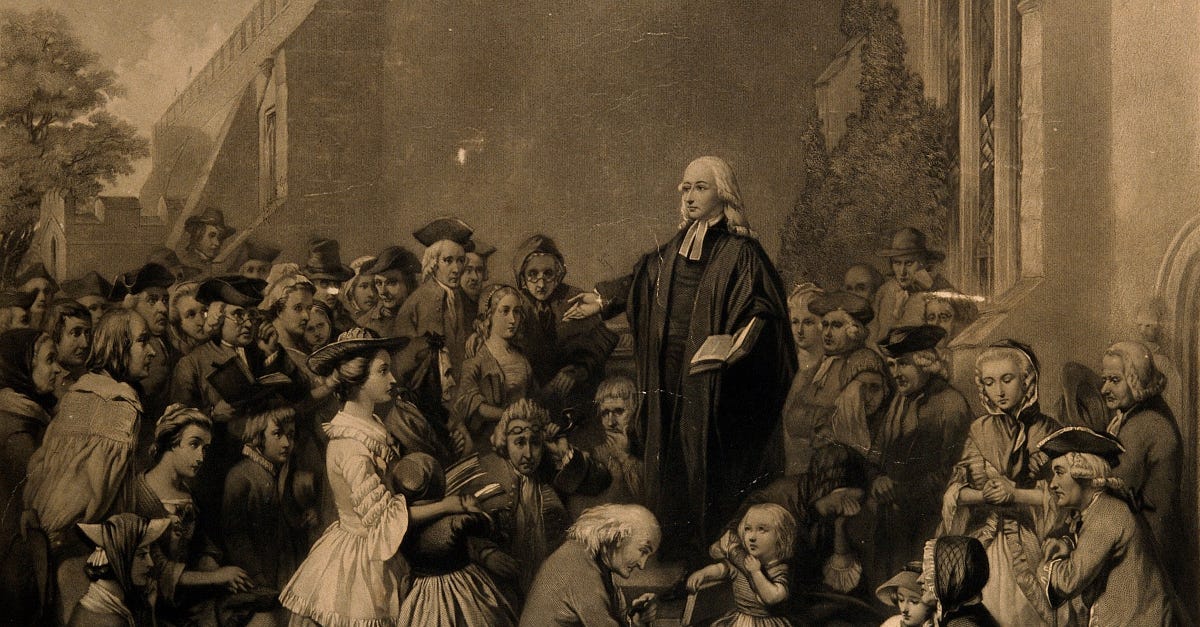
John Wesley was not a systematic theologian, but he was a systematic disciple-maker. His greatest contribution was not in his analysis of theology, but his application of it where it matters most—in the real lives of real people. For this, he is often called a folk theologian. Meaning, of the common people. His theology created biography. He learned from the personal experience of transformation that the Holy Spirit is still active and alive and moving in dynamic power. Wesley had the audacity to believe that the time for renewal is always now and the place for renewal is always here. The accounts of the early church in the book of Acts captured his imagination. He preached and prayed to see the same kind of spiritual renewal, social reform and cultural renaissance in his day.
Next week, one branch of fruit from Wesley’s spiritual family tree will gather in Marion, Indiana for The North American General Conference of The Wesleyan Church. Elected delegates will seek God‘s wisdom, debate pressing issues, and prayerfully discern what’s next. There is a sense that these could be pivotal days as we navigate significant moments on multiple fronts. In preparation, I’m drawn back to Wesley’s ‘Covenant Prayer.’ He frequently used this to express a renewal of commitment. Churches often come back to it at Watch Night services on New Year’s Eve, sealing the year behind and surrendering the year ahead. It seems timely for us here and now. I invite you to join me in praying this over our church together.
I am no longer my own, but yours.
Put me to what you will, rank me with whom you will;
put me to doing, put me to suffering;
let me be employed for you, or laid aside for you,
exalted for you, or brought low for you;
let me be full,
let me be empty,
let me have all things,
let me have nothing:
I freely and wholeheartedly yield all things
to your pleasure and disposal.
And now, glorious and blessed God,
Father, Son and Holy Spirit,
you are mine and I am yours. So be it.
And the covenant now made on earth, let it be ratified in heaven.
Amen.
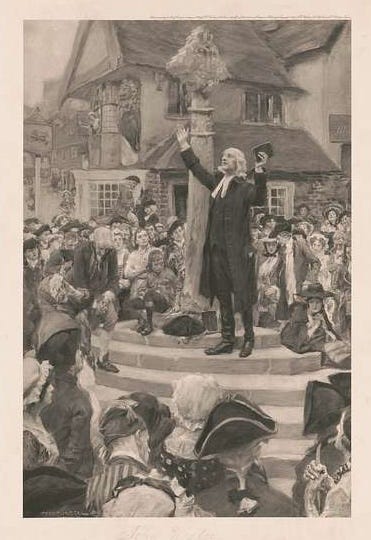
RESOURCES
To learn more and engage further, here are a few recommendations:
My friend Mark Swayze adapted Wesley’s Covenant Prayer into a song, Come Like a Fire.
The Radical Wesley: The Patterns and Practices of a Movement Maker by Howard Snyder (Updated edition by Seedbed, 2014). This 45 year old book is a classic exploration of the history with a compelling vision for the present. Thorough, practical, and inspiring.
The Most Excellent Way: John Wesley’s Theology of Love by Joseph Dongell (Seedbed, 2024). From one of my favorite seminary professors and a respected New Testament scholar. This short book is a pocket sized look at the centrality of holy love through the actions, sermons, letters, songs, and theology of John Wesley.
About a decade ago, I wrote the script for a short video on the heart and history of the Wesleyan movement. The creative mind and hands of my friend Caleb Childers brought the story to life.